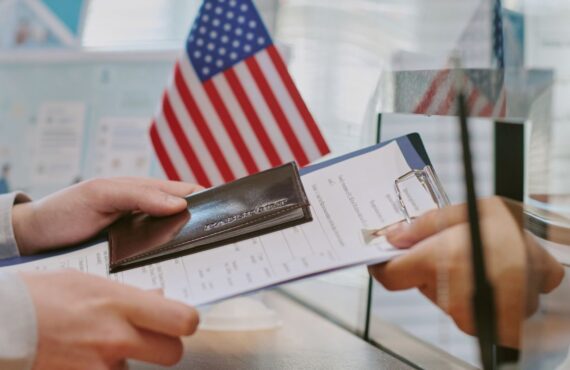
The H-1B visa program has long been a cornerstone of U.S. immigration policy, enabling U.S. employers to hire highly skilled foreign professionals in specialized fields. This visa is crucial for tech companies, healthcare providers, universities, and numerous industries that rely on specialized talent to drive innovation. However, recent changes to the fee structure of the H-1B visa have raised concerns among both employers and applicants. The introduction of a $100,000 fee for certain H-1B applicants has sparked discussions about its long-term implications on the U.S. labor market and its ability to attract global talent.
This article provides a comprehensive overview of the H-1B visa fee increase, including its background, impact on employers and applicants, legal context, and potential alternatives for those who may be affected by the new costs.
Background of the H-1B Visa Program
The H-1B visa allows U.S. employers to hire foreign nationals in specialized occupations that typically require a bachelor’s degree or higher in a specific field. Common industries that rely heavily on the H-1B visa include technology, healthcare, engineering, finance, and academia.
To qualify for the H-1B visa, applicants must meet the following criteria:
- Specialized Knowledge: The position must require at least a bachelor’s degree or its equivalent in a specific field.
- Employer Sponsorship: A U.S. employer must sponsor the applicant, ensuring they can meet the wage and job requirements set by the U.S. Department of Labor.
- Cap Limit: The annual cap for H-1B visas is set at 85,000, with an additional 20,000 reserved for applicants with a master’s degree or higher from a U.S. institution. The cap often results in a lottery system, with far more applicants than available visas.
Historically, the application process for the H-1B visa has involved filing fees, which have fluctuated over time. However, the recent introduction of a substantial fee increase to $100,000 has altered the landscape, especially for employers seeking to hire foreign talent.
The Change: H-1B Visa Fee Increase to $100,000
The U.S. government’s decision to increase the H-1B visa fee to $100,000 has raised significant concerns. This change, which will take effect in late 2025 or early 2026, marks a considerable shift in the financial burden placed on employers and applicants.
What the New Fee Covers
The $100,000 fee aims to provide additional funding for U.S. immigration programs while addressing issues related to visa fraud, security, and administrative costs. This fee increase is part of broader changes designed to ensure the viability of the H-1B program while protecting American workers. The new fee will be applied to H-1B applicants who meet specific criteria, particularly in certain industries or specialized positions.
The $100,000 fee will be in addition to the existing filing fees, which already amount to several thousand dollars. Therefore, employers and applicants must prepare for significantly higher costs when applying for an H-1B visa.
Effective Date
The new fee will go into effect by late 2025 or early 2026, so employers and potential applicants should begin preparing for the changes well in advance. This fee applies to both initial applications and extension requests, and employers must account for the financial impact of these changes in their planning.
Impact on Employers: A New Financial Burden
For U.S. employers, the $100,000 fee increase presents a substantial financial challenge, particularly for smaller companies and startups that may not have the budget to absorb such a significant cost.
Challenges for Small Businesses and Startups
Startups and small businesses often rely on H-1B visa holders to fill critical positions that cannot be filled by domestic workers. These businesses tend to operate on lean budgets, making the increased fee a potential barrier to hiring international talent. With the new fee structure, smaller employers may be forced to reconsider their hiring strategies or focus on hiring domestic workers, which could reduce the pool of highly skilled candidates available for specialized roles.
For larger companies, the increased cost may be more manageable, but the overall fee increase could still strain resources. Employers will need to budget for higher expenses and potentially adjust their hiring practices to account for the new costs.
Increased Competition for H-1B Visas
With the $100,000 fee increase, competition for H-1B visas is likely to intensify. Employers will need to be more strategic in their application processes, prioritizing high-demand candidates and ensuring that their application materials are as robust as possible to maximize their chances in the H-1B lottery system.
Impact on Applicants: Navigating the Financial Hurdles
For international professionals seeking to work in the U.S., the $100,000 fee presents a significant financial obstacle. Applicants who had hoped to use the H-1B visa as a pathway to U.S. employment may find the increased costs prohibitive, especially when combined with other expenses such as legal fees and administrative costs.
Barriers to Entry
The fee increase could discourage many qualified professionals from applying for the H-1B visa. For individuals from developing countries or those with limited financial resources, the new fee could be an insurmountable barrier. This may result in fewer qualified applicants pursuing opportunities in the U.S., potentially leading to a talent drain to other countries with more favorable visa policies.
Policy and Legal Context: Why the Fee Increase Was Implemented
The $100,000 fee increase is part of a broader initiative by the U.S. government to manage the growing demand for H-1B visas while ensuring the program serves its intended purpose of bringing highly skilled workers to the U.S. The fee also helps cover the rising administrative and security costs associated with the visa process.
From a policy perspective, the fee increase reflects the current administration’s emphasis on protecting American workers while regulating the influx of foreign talent. The legal framework surrounding immigration, particularly work visas, has evolved over time, and this fee increase is just one example of the ongoing changes to U.S. immigration policy.
Alternatives to the H-1B Visa: Other Options for Professionals
For professionals who find the H-1B visa cost prohibitive, several alternative visa options may be available. These include:
- EB-2 National Interest Waiver (NIW): The EB-2 NIW visa is available for individuals with advanced degrees or exceptional abilities in their field. This visa allows applicants to self-petition, meaning they do not need employer sponsorship.
- EB-1 Visa: The EB-1 visa is for individuals with extraordinary abilities in fields such as the arts, sciences, education, business, or athletics. This visa offers a fast track to permanent residency and does not require a labor certification.
- EB-2/EB-3 PERM: The EB-2 and EB-3 visas through the PERM process are common pathways for professionals seeking permanent residency in the United States. Unlike the EB-2 NIW, these categories require a U.S. employer to sponsor the applicant and obtain a labor certification from the Department of Labor, demonstrating that there are no qualified U.S. workers available for the position. While this process can be more time-consuming, it remains one of the most practical options for skilled professionals with a job offer from a U.S. company.
- L-1 Visa: The L-1 visa allows international companies to transfer employees from foreign offices to their U.S. branches. This visa is ideal for individuals with managerial or executive roles.
Each of these alternatives has its own set of requirements and benefits, and an experienced immigration lawyer can help determine the best option for an individual or employer’s needs.
Conclusion: Consult with an Immigration Law Firm
The recent increase in the H-1B visa fee to $100,000 marks a significant shift in U.S. immigration policy. While this fee increase may present financial challenges for both employers and applicants, it also offers an opportunity to explore alternative visa options.
If you are an employer or a professional affected by this change, it is essential to consult with an experienced immigration law firm to understand your options and ensure you make the best decision for your situation. At Kameli Law, we provide legal guidance on navigating the complexities of U.S. immigration law and can help you find the right solution for your needs.
For a professional evaluation and to explore your visa options, contact Kameli Law today. We are here to help you navigate the evolving landscape of U.S. immigration law and achieve your professional goals.
Your Next Step: Consult with Experienced Immigration Attorneys
While the EB2 NIW pathway offers significant autonomy to engineers, it is a complex process that requires a deep understanding of U.S. immigration laws and how to effectively prove “National Interest.” An experienced immigration attorney specializing in NIW cases can help you properly prepare your documents, highlight the strengths of your petition, and avoid common mistakes that lead to delays or denials.
To get a free eligibility assessment for your EB2 NIW case and start your journey towards a U.S. Green Card, contact the expert team at Kameli Law today.