H-1B Layoff and 60-Day Grace Period: What Happens if You Lose Your Job?
05.09.2026


For many EB-1A and EB-2 National Interest Waiver applicants, the latest USCIS Form I-140 data raises an important question: Are EB-1A and NIW cases becoming harder to win? The short answer is: the data suggests a more difficult adjudication environment, especially for EB-1A and NIW petitions. But the numbers must be read carefully. Many online discussions reduce USCIS statistics to one simple statement: “approval rates are down.” That may sound useful, but it can also be misleading if the data is calculated or explained incorrectly. The latest Form I-140 data does show fewer

Many successful entrepreneurs and business owners overlook one of their most powerful assets when applying for the National Interest Waiver (NIW): the business they’ve already built. The challenge isn’t simply having a business; it’s strategically framing your company’s contributions, structure, and future impact to meet the legal requirements of the NIW. This guide will help you understand how to turn your business into compelling evidence for your EB-2 NIW petition.
I. Understanding the NIW Criteria Through a Business Lens
The EB-2 NIW petition relies on three key criteria, which must be demonstrated through your business:
1. Proposed Endeavor

The Entrepreneur’s Path to the Green Card For successful entrepreneurs, founders, and business owners, the United States offers an unparalleled ecosystem for innovation and growth. Among the various paths to permanent residency, the EB-2 National Interest Waiver (NIW) stands out as one of the most attractive options. It offers the unique advantage of allowing you to self-petition, meaning you don’t need an employer sponsor or the lengthy PERM Labor Certification process. Looking ahead to 2026, the EB-2 NIW landscape is shifting. USCIS is placing even more emphasis on how a business contributes to U.S.

In recent years, entrepreneurs from the UAE, including cities like Dubai, Abu Dhabi, and Sharjah, have been increasingly looking to expand their business horizons globally. Among various immigration options, the EB2 National Interest Waiver (NIW) has emerged as a top choice for those seeking permanent residency in the U.S. without the need for employer sponsorship. If you’re a UAE-based entrepreneur, the EB2 NIW visa offers numerous benefits that can significantly boost your business prospects while providing you with the flexibility and independence to manage your ventures in the U.S. Here’s why the EB2 NIW is

Applying for the EB2 National Interest Waiver (NIW) visa can be a complex process, especially for entrepreneurs and business professionals seeking permanent residency in the United States. While the EB2 NIW presents a fast track to a U.S. Green Card, there are common mistakes applicants often make during the application process that can lead to delays or denials. In this blog, we will highlight some of these frequent mistakes and provide you with actionable tips on how to avoid them, ensuring your application is as strong as possible. Failing to Demonstrate National Interest: One of the

In recent years, business owners in Dubai, Abu Dhabi, Sharjah, and across the UAE have increasingly turned to the U.S. immigration process as a gateway to greater opportunities. Among the various immigration options, the EB2 NIW (National Interest Waiver) has become a top choice for many UAE-based entrepreneurs. Unlike other visa categories, the EB2 NIW allows successful business professionals to apply for permanent residency without the need for a U.S. employer to sponsor them. This unique feature makes it an attractive route for those seeking to expand their business horizons

Are you a UAE-based entrepreneur or business owner looking for a faster, more direct way to secure a U.S. Green Card? With the EB-2 National Interest Waiver (NIW) program, qualified applicants can achieve permanent residency in as little as 45 days — without the need for U.S. employer sponsorship or investment capital. In this article, we’ll explain how the EB-2 NIW works, why it’s ideal for UAE business leaders, and how Kameli Law can guide you every step of the way. What Is the EB-2 NIW? The EB-2 National Interest Waiver (NIW) is a special category within

The United Arab Emirates, and Dubai in particular, has become a global hub for entrepreneurs, investors, and innovators — a city where business success is built on vision, speed, and international reach. For many accomplished business owners in Dubai, expanding operations to the United States is the next logical step toward growth, stability, and global impact. While the EB-5 investor visa has long been the most recognized route to a U.S. Green Card, it requires a substantial capital investment and job creation in the U.S. economy. Fortunately, there’s another — more strategic and cost-efficient — path available for Dubai’s established entrepreneurs:
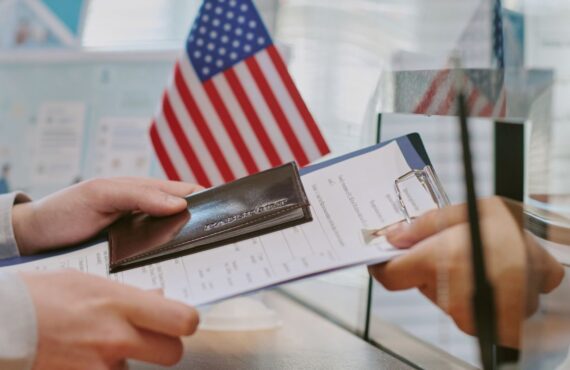
This annual refresh reviews whether priority date timing improved in the employment-based categories and what that means for professionals planning their next step. Compared with last month and last year, movement is modestly positive for many categories, with notable differences by country of chargeability. What moved: Gradual forward movement in EB-2 (including NIW) and selective gains in EB-3; EB-1 remains favorable for most chargeability areas. What stalled: Some Final Action Dates (FAD) remain tight for India and China, especially in high-demand
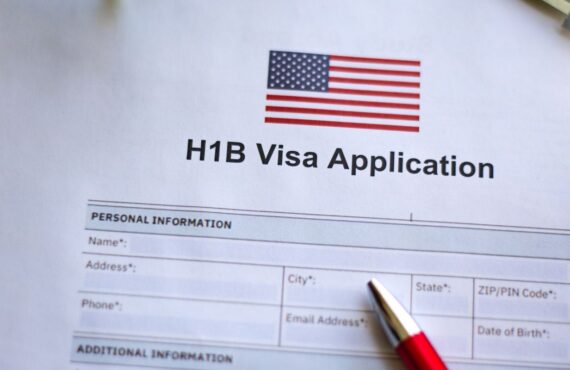
The H-1B visa program has long been a cornerstone of U.S. immigration policy, enabling U.S. employers to hire highly skilled foreign professionals in specialized fields. This visa is crucial for tech companies, healthcare providers, universities, and numerous industries that rely on specialized talent to drive innovation. However, recent changes to the fee structure of the H-1B visa have raised concerns among both employers and applicants. The introduction of a $100,000 fee for certain H-1B applicants has sparked discussions about its long-term implications on the U.S. labor market and its ability to attract global talent.
